
OUR PRODUCTS
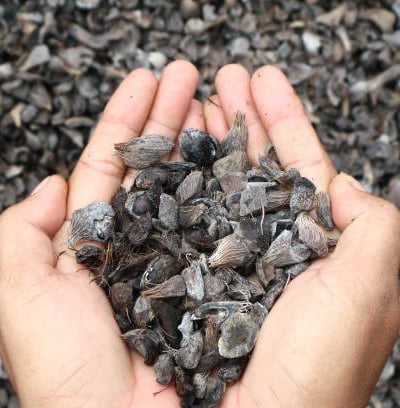
Palm Kernel Shell
Palm Kernel Shell (PKS) is the hard outer shell of the palm kernel seed, which is a by-product of the palm oil extraction process. PKS possesses several distinctive characteristics that make it a valuable biomass fuel source and a versatile material for various applications.
Volume Available in Indonesia :
Indonesia is the largest producers of palm oil globally, and consequently, it generates significant volumes of PKS. The exact volume of PKS available in Indonesia can vary depending on several factors; however, it is estimated that Indonesia produces millions of tons of PKS annually, making it a substantial and accessible biomass feedstock.
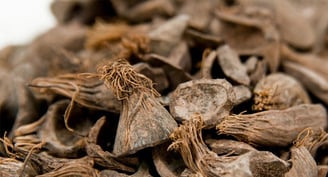
Palm Kernel Expeller/Meal
Palm Kernel Expeller/Meal (PKE) is the by-product obtained after the extraction of palm kernel oil from the palm kernel seed. PKE is widely recognized for its nutritional composition, making it a valuable ingredient in animal feed formulations and an excellent source of protein and energy.
Characteristic :
Protein Content : PKE has a significant protein content, typically ranging from 15% to 20% or even higher. This makes it an important protein source for animal nutrition, contributing to growth, muscle development, and overall health.
Energy Content : PKE is also rich in energy, containing a considerable amount of fats and carbohydrates. The energy content of PKE supports the energy requirements of animals, providing them with the necessary fuel for metabolic processes and physical activities.
Fibber Content : While PKE contains fibber, the fibber content is relatively lower compared to other palm oil industry by-products such as Empty Fruit Bunch (EFB). This makes PKE more digestible for animals.


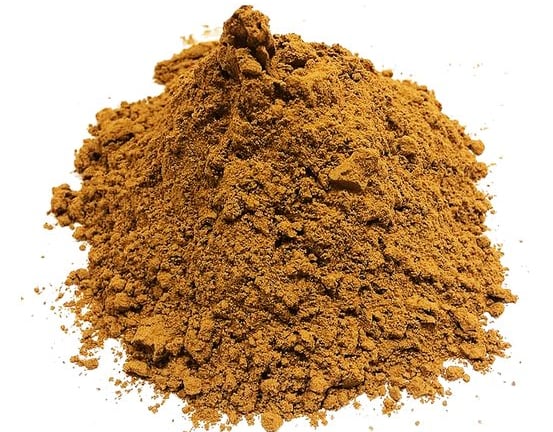
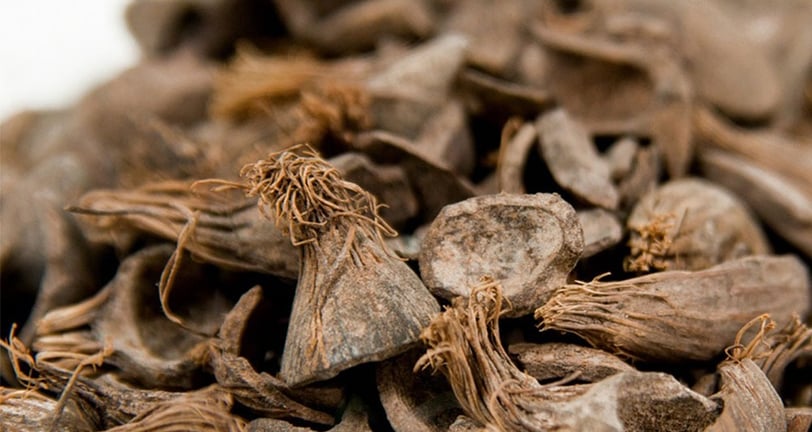
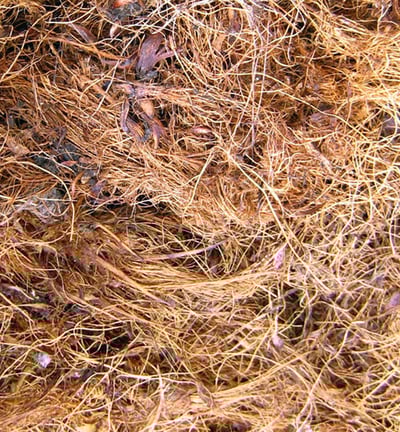
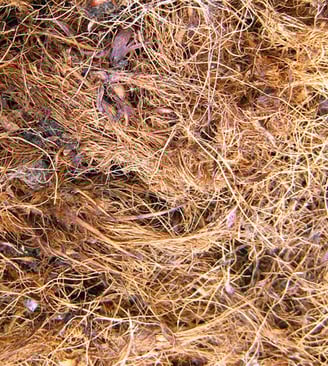
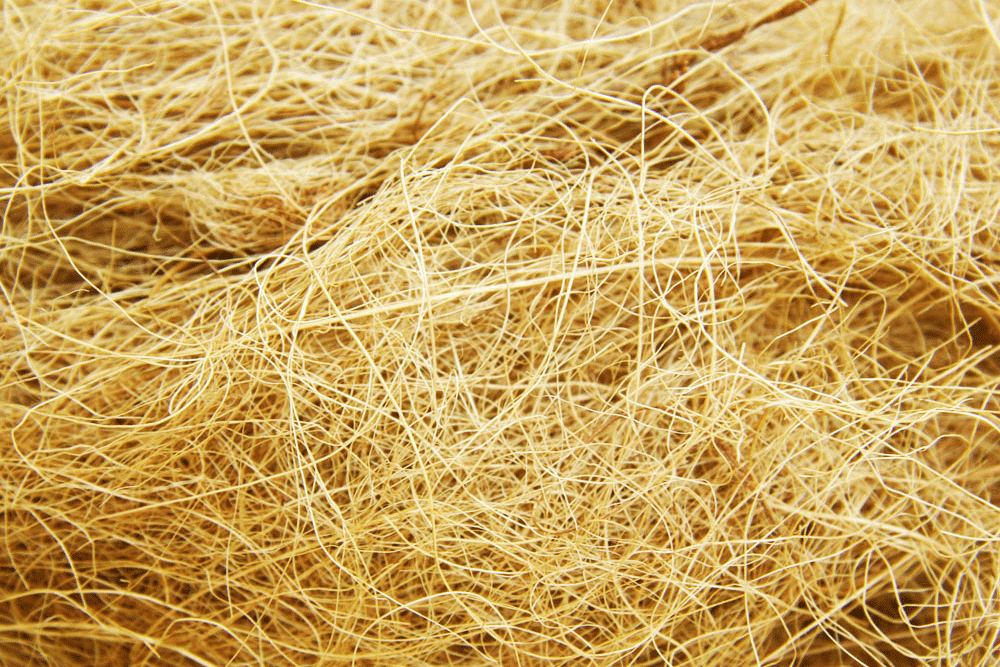
Empty Fruit Bunch (EFB)/Palm Fibre
Empty Fruit Bunch refers to the fibrous material left after the extraction of oil from the palm fruit. It consists of the stalks, fibbers, and residues from the fruit bunches. EFB is a versatile by-product with multiple applications and potential for value addition.
Characteristics :
Fibber Content: EFB is rich in cellulose, hemicellulose, and lignin, which contribute to its fibrous nature. The fibrous structure of EFB provides mechanical strength and makes it suitable for various applications, including in the production of pulp and paper.
Organic Matter: EFB contains organic matter, making it a valuable resource for composting and organic fertilizers. When properly processed, EFB can contribute essential nutrients and organic material to improve soil fertility and support plant growth.
Moderate Moisture Content: EFB typically has a moderate moisture content, which can vary depending on processing methods. Proper drying techniques can be employed to reduce moisture levels and enhance its suitability for different applications.
Jl. Cikini IV No.10, RT.15/RW.5, Cikini, Kec. Menteng, Kota Jakarta Pusat, Daerah Khusus Ibukota Jakarta 10330, Indonesia
+62 87778889977
info@astramina.co.id